
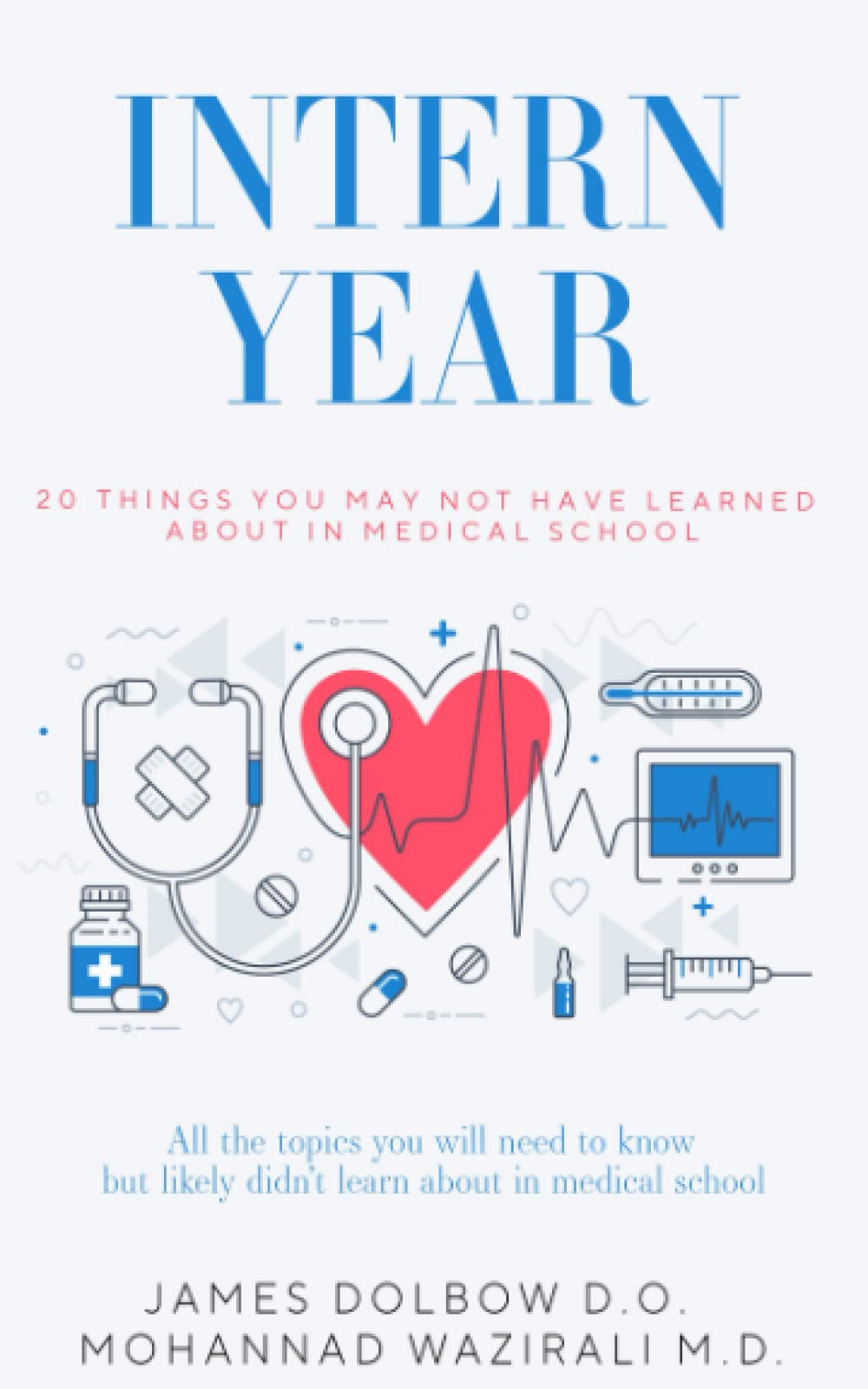
Description
Graduating from medical school brings excitement—but also the realization that knowing the material doesn’t always mean knowing how to apply it. You may recognize when a patient needs a blood transfusion but not know how to administer it. You might understand a diagnosis like type 2 diabetes but feel unsure about managing it in the hospital. These practical skills are often missing from medical school training but are essential for new interns and residents.
Written by residents, attendings, and pharmacists, this book focuses on must-know topics that new doctors face daily. Presented in a friendly, mentor-to-mentee style, it aims to reduce stress by simplifying complex topics without overwhelming medical jargon. It covers everything from routine labs and electrolyte replacement to emotional challenges like discussing code status or pronouncing death.
Key topics include:
- Routine morning labs
- Problem-specific labs
- Administering blood products
- Electrolyte replacement
- Supplementing iron, thiamine, and vitamin D
- Managing inpatient glucose
- DVT prophylaxis
- Non-opioid pain relief
- Diarrhea and constipation
- Alcohol and nicotine withdrawal precautions
- Inpatient diet
- Feeding tubes
- IVs and central access (PIV, midline, PICC line, HD line, central lines, ports)
- Oxygen therapy
- Types of intravenous fluids
- Delirium prevention
- Ancillary hospital services (wound care, PT, OT, RT, SLP, nutrition)
- Hospice and palliative care
- Code status
- Pronouncing death
Bonus chapter: General tips for effective internship.
For every book sold, $1 will be donated to Lifebanc, a non-profit organization providing life-saving organ donation services to patients in need.

Reviews
There are no reviews yet.